
2019 DEVELOPMENT REPORT
Oheneba Foundation (Ghana)
Oheneba Nana Kwame Obeng II, President
Chief of Sefwi Obeng-Mim, a Divisional Stool of the Sefwi Wiawso Traditional Area in the Western North Region of Ghana
Rev. Dr. Christian D. Boyd
Project Coordinator and Director of Fundraising
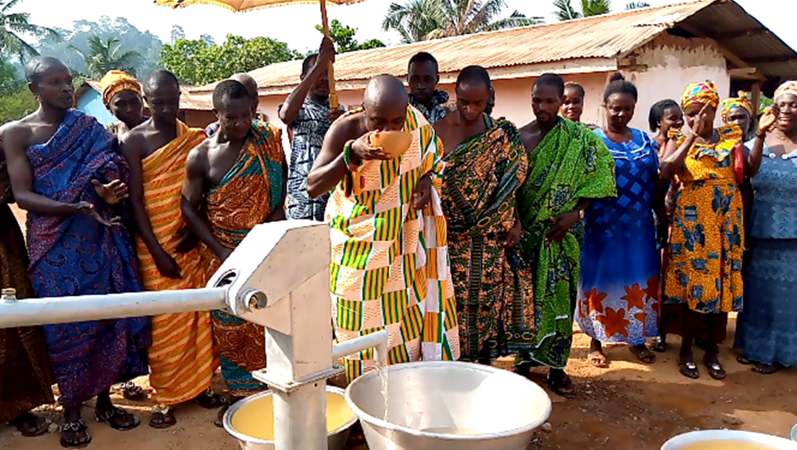
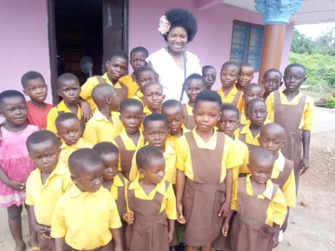
As a result of hard work and service, our fundraising initiatives were a success in 2019. In fact, the Royal House has worked hard and has accomplished great things! As Chief, I am very grateful to everyone who aided and supported our initiatives. We will continue our efforts in 2020.
Medaase,
Oheneba Nana Kwame Obeng II
Introduction to the Stool Land and People of Sefwi Obeng-Mim
The Royal House of Sefwi Obeng-Mim is a Divisional Stool within the Sefwi Wiawso Traditional Area and under the authority of the Paramount Chieftaincy of Sefwi Wiawso. Its traditional history is rooted in the ancient Akan kingdoms of Ghana and in the enduring institutions of chieftaincy that continue to shape the cultural, social, and communal life of the Sefwi people.
The wider Sefwi Wiawso Traditional Area extends across approximately 2,695 square miles and is crossed by the Tano and Bia rivers. In geographic terms, the area is roughly comparable to the combined size of the U.S. states of Delaware and Rhode Island. Its principal towns include Sefwi Wiawso, the traditional capital and home of the Paramount Chief's Palace, and the area is also home to institutions of higher education, including Wiawso College of Education and Asafo Health Care College. English and Akan Twi are widely spoken throughout the region.
Sefwi is one of Ghana's most important agricultural regions. Cocoa farming remains central to the local economy, alongside cassava and other agricultural production, while the region is also rich in natural resources including gold, bauxite, and timber. These agricultural and natural resources give the Sefwi area significant potential for responsible investment, economic development, and partnerships that strengthen local communities while respecting the land and its people.
The lands associated with the Sefwi Obeng-Mim Stool include areas of remarkable natural beauty. Forest reserves provide habitat for a wide range of plant and animal species, while the region's cultural heritage offers significant opportunities for sustainable tourism. Visitors may encounter ancestral sites, traditional celebrations such as the annual Alluolue Yam Festival in November, the Nyame Dua or "Tree of God," the Ancestral Hole associated with local healing traditions, and the Abombirim Sacred Tortoise Forest. Together, these natural and cultural treasures offer opportunities for ecotourism and cultural tourism that can contribute to the economic life of the community.
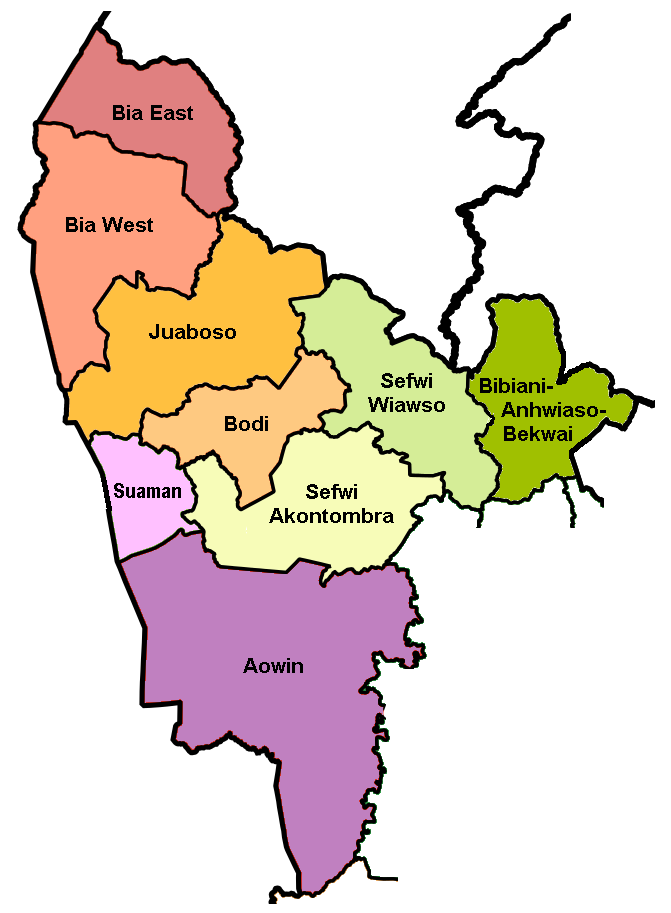
The development area of the Sefwi Obeng-Mim Stool includes a number of farming communities in the Juabeso District of Ghana's Western North Region. The Obeng-Mim Stool lands are home to approximately 1,500 people, many of whom depend upon small-scale and subsistence cocoa farming for their livelihoods. Much of the primary development area lies within or near the Krokosue Forest Reserve, placing these communities in a beautiful but geographically isolated setting.
That isolation also presents significant challenges. Access to safe drinking water, health care, education, transportation, and other public infrastructure can be difficult, particularly for communities located far from major population centers. For this reason, the development of Sefwi Obeng-Mim depends upon partnerships that respect local leadership while helping communities secure the resources and opportunities necessary for long-term flourishing.
We invite visitors, partners, and friends from Ghana and around the world to learn about the people and lands of Sefwi Obeng-Mim. Whether through education, health care, sustainable agriculture, infrastructure, environmental stewardship, or responsible tourism, there are many ways to participate in the continuing development of this remarkable community.
2019 Royal House Projects Accomplished
Total Funds Invested in the People of Sefwi Obeng-Mim: USD 14,500 / GH 75,400
A 3-Unit School Building: A USD 7,000 investment in education and the future of children made by local and international sources.
Village Water Well #1: A USD 3,500 investment by local and international sources in the health and well-being of people.
Children's Backpacks: A USD 500 investment in education by Royal House members.
Furniture, Teacher Equipment, School Supplies, Uniforms and Assistance with Teachers’ Salaries: A USD 3,000 investment in education by Royal House members, as well as local and International sources.
Nurse's Motorcycle: A USD 500 investment toward healthcare by Royal House members and other international donors.
2020 Royal House Projects:
The Foundation has named the following 2020 Development Projects.
Second water project. USD 3,000 (fundraising is currently underway.)
Public toilet for the village. USD 1,500. Note: the toilets for males and females are already there. We need roofing to protect from the sun.
Simple teachers’ house. USD 5000.
Our overall fundraising goal for 2020 is USD 10,000.
Development Area:
Sefwi Obeng-Mim Stool Lands